
 by B. Aslı Saraçoğlu Uzunoğlu
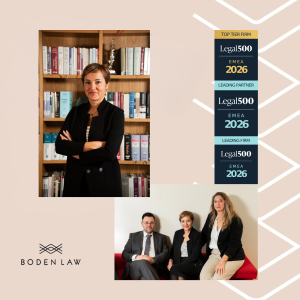
Boden Law highly ranked in Legal 500 EMEA 2026!
We are proud to share that Legal 500 EMEA 2026 has recognised Boden Law across multiple practice areas, reflecting the firm’s continued growth and strength as a full-service practice.
With rankings spanning key sectors, these results highlight the depth of our expertise and our ability to support clients across a diverse range of complex legal matters:
Energy – Tier 1
Project & Project Finance – Tier 3
Commercial, Corporate & M&A – Tier 4
These rankings are based on independent research and client feedback, underscoring our commitment to delivering high-quality, commercially focused legal advice.
We are especially pleased to see individual recognition for our team, with Deger Boden named as a Leading Partner in Energy.
This achievement reflects the dedication, expertise, and collaborative spirit of our team, who consistently strive to deliver practical, high-quality legal solutions tailored to our clients’ needs. It also underscores the trust our clients place in us as long-term partners, relying on our insight and commitment to support them through complex and evolving legal and commercial challenges. We are sincerely grateful to our clients for their continued confidence and partnership.
 by B. Aslı Saraçoğlu Uzunoğlu
26 March 2026: Client Alert: Rethinking Force Majeure and Hardship in the Wake of Geopolitical Disruption
Beyond Boilerplate: Rethinking Force Majeure and Hardship in the Wake of Geopolitical Disruption
Recent developments in the Middle East, most notably the escalation of armed conflict and the strategic disruption associated with the closure of the Strait of Hormuz, have once again demonstrated how quickly the assumptions underpinning international contracts can unravel. For actors operating in energy, infrastructure, shipping, and commodities sectors, these developments are not merely abstract geopolitical risks but immediate triggers of non-performance, delay, price volatility, and regulatory exposure. Recent practice indicates a noticeable rise in disputes arising from supply interruptions, sanctions-related impediments, and significantly increased costs of performance.
These developments bring into sharp focus a fundamental question of contractual risk allocation: who ultimately bears the consequences when the contractual equilibrium is fundamentally disturbed?
At the core of this inquiry lies the enduring tension between pacta sunt servanda, the principle that contracts must be performed, and clausula rebus sic stantibus, the recognition that contractual obligations cannot remain absolute in the face of radically changed circumstances. This tension is not merely theoretical; it is reflected in the markedly different ways in which civil law and common law systems respond to disruption.
1. Force Majeure: When Performance Becomes Impossible
Force majeure addresses situations in which contractual performance becomes physically or legally impossible due to events beyond the control of the parties.
From a comparative perspective, the divergence between legal systems is pronounced:
Civil Law Approach (Structured and Codified):
Civil law jurisdictions provide a relatively predictable framework. Under Article 1218 of the French Civil Code, an event must be external, unforeseeable, and irresistible. Where these criteria are met, performance is suspended if the impediment is temporary, or the contract is automatically terminated if performance becomes permanently impossible (résolution de plein droit). Similar concepts exist across civil law systems, grounded in the principle that no party is bound to perform the impossible.
Common Law Approach (Contract-Driven and Restrictive):
In contrast, common law systems, particularly English law, do not recognize force majeure as a standalone doctrine. Relief depends entirely on the wording of the contract. In the absence of an express clause, parties must rely on the doctrine of frustration, which is applied narrowly. As established in Davis Contractors v Fareham UDC, performance must become “radically different,” not merely more onerous or expensive. Courts have consistently resisted attempts to expand this threshold.
The practical implication is clear: under common law, inadequate drafting can leave parties without effective relief, even in the face of significant disruption.
2. Hardship: When the Economic Balance Collapses
Hardship addresses a different category of disruption where performance remains possible but has become excessively burdensome due to unforeseen changes in circumstances.
Civil Law Approach (Flexibility and Adaptation):
Civil law systems explicitly recognize the need to preserve contractual equilibrium. Under Section 313 of the German Civil Code (Wegfall der Geschäftsgrundlage) and Article 1195 of the French Civil Code (imprévision), parties are expected to renegotiate when circumstances fundamentally change. If renegotiation fails, courts may adapt or terminate the contract to restore balance. This reflects a broader commitment to good faith and fairness in long-term contractual relationships.
Common Law Approach (Rigidity and Certainty):
By contrast, common law systems generally reject a doctrine of hardship. The prevailing view remains that parties must “stick to their bargain.” Courts have consistently held that increased costs or economic disadvantages do not justify non-performance. In The Sea Angel [2007], the court reaffirmed the narrow scope of frustration, while in Tsakiroglou & Co Ltd v Noblee Thorl [1962], the closure of the Suez Canal, despite significantly increasing the cost and duration of performance, was held insufficient to discharge the contract. The rerouting obligation remained.
These authorities illustrate a consistent principle: economic hardship, however severe, is typically treated as a commercial risk rather than a legal excuse under common law.
3. Strategic Takeaways for Contracting Parties
Against the backdrop of current geopolitical volatility, reliance on default legal doctrines is increasingly inadequate. A more deliberate and forward-looking contractual strategy is required.
Move Beyond Boilerplate
Standard force majeure clauses often fail to capture the complexity of modern disruptions. To achieve true contractual resilience, drafting must move beyond the abstract and name the actual threats: from the sudden closure of the Strait of Hormuz to the complex web of shifting sanctions and regulatory gatekeeping. We must also rethink what an “impediment” really looks like. In the modern market, a logistical deadlock or a legal barrier can be just as fatal to a contract as physical impossibility, and our definitions need to reflect that reality.
Align Drafting with Governing Law
A single event can lead to two completely different legal realities depending on the jurisdiction. For instance, a clause that provides ironclad protection in a civil law setting might offer zero relief under common law scrutiny if the drafting is even slightly off. This requires a conscious alignment between contractual language and the governing legal framework.
Prioritize Procedural Compliance
In practice, force majeure and hardship defenses frequently fail due to procedural shortcomings rather than substantive weaknesses. Strict compliance with notice provisions, evidentiary requirements, and mitigation obligations is essential to preserve contractual rights.
Use Renegotiation Strategically
Particularly in civil law contexts, the duty of good faith provides a powerful basis for renegotiation. Proactive engagement at an early stage can prevent escalation into formal disputes and preserve long-term commercial relationships.
Conclusion
In an environment where geopolitical disruption is no longer exceptional but increasingly systemic, force majeure and hardship clauses can no longer be treated as standard boilerplate. They are, instead, central instruments of risk allocation and contractual resilience. A well-drafted clause does more than allocate risk, it anticipates disruption, structures party conduct in times of crisis, and ultimately shapes the outcome of any dispute that may arise. For parties operating in volatile sectors and regions, investing in precise and context-specific drafting is essential to maintaining contractual certainty in an increasingly unpredictable world.
by B. Aslı Saraçoğlu Uzunoğlu4 February 2026: Boden Law participated in UNIDROIT Symposium
As Boden Law, we are proud to have participated in the UNIDROIT – International Institute for the Unification of Private Law Middle East and North Africa Transnational Law Academic Symposium on “Transnational Commercial and Investment Law and Middle East Regional Developments,” joining in the law firms session with Watson Farley & Williams & Gibson Dunn. Our Founding Partner, Deger Boden, spoke alongside Eugenio Tranchino, Lojain AlMouallimi, and Jeffrey Wool on the panel “Energy, Sustainable Finance, and Private Law.”
A summary of the Symposium can be found at the news link below:
https://lnkd.in/ddFjb3ba

 by B. Aslı Saraçoğlu Uzunoğlu
15 January 2026: Değer Boden attended World Future Energy Summit in Abu Dhabi
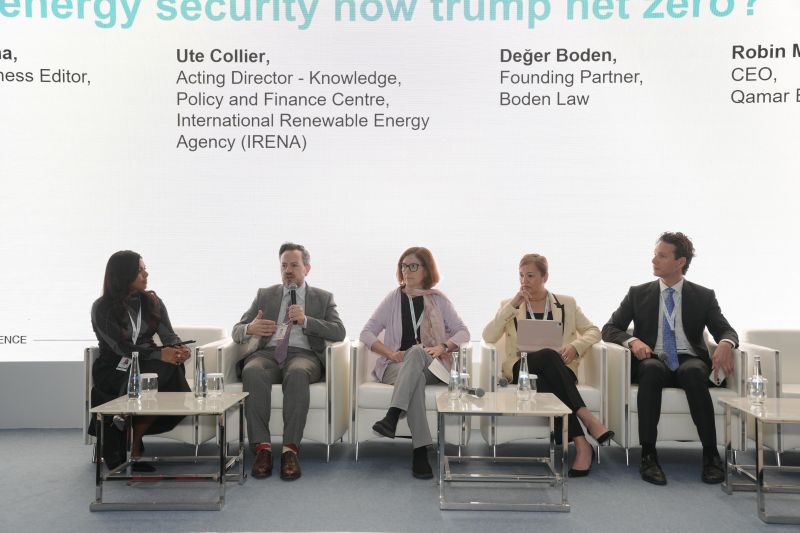
Our Founding partner Değer Boden Akalin took part in World Future Energy Summit held 13-15 January 2026, during the Abu Dhabi Sustainability Week, and joined a truly spectacular panel of Jennifer Gnana, Jeffrey Beyer, Ute Collier and Robin Mills for a thoughtful discussion on energy transition and energy security, sustainability and economic security.
 by B. Aslı Saraçoğlu Uzunoğlu
20 January 2026: Boden Law publishes report on Türkiye’s Energy Landscape: Regulatory Shifts in 2025
As we approach the end of the first month of 2026, we have taken the opportunity to look back at the most significant regulatory developments and policy changes that shaped Türkiye’s energy markets in 2025.
Our associates Can Yıldız and Ceren Karaciğer have compiled a concise overview of the key legislative and regulatory updates across the electricity, natural gas and renewables with a focus on developments most relevant to market participants and investors.
We hope this summary provides a helpful reference for those following regulatory trends in Türkiye’s energy sector and contributes to ongoing discussions on market evolution and sustainability.
Our summary report on these developments is shared below. For further information or inquiries, please contact us at info@boden-law.com
Click here to view the report.
 by B. Aslı Saraçoğlu Uzunoğlu
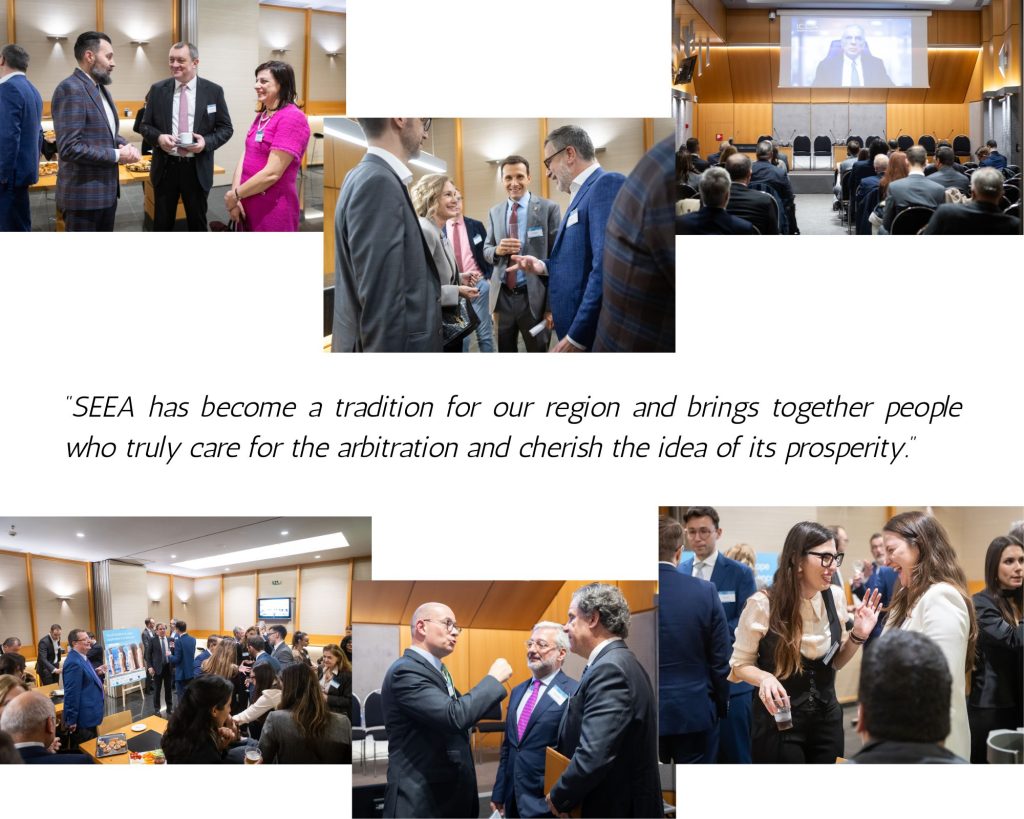
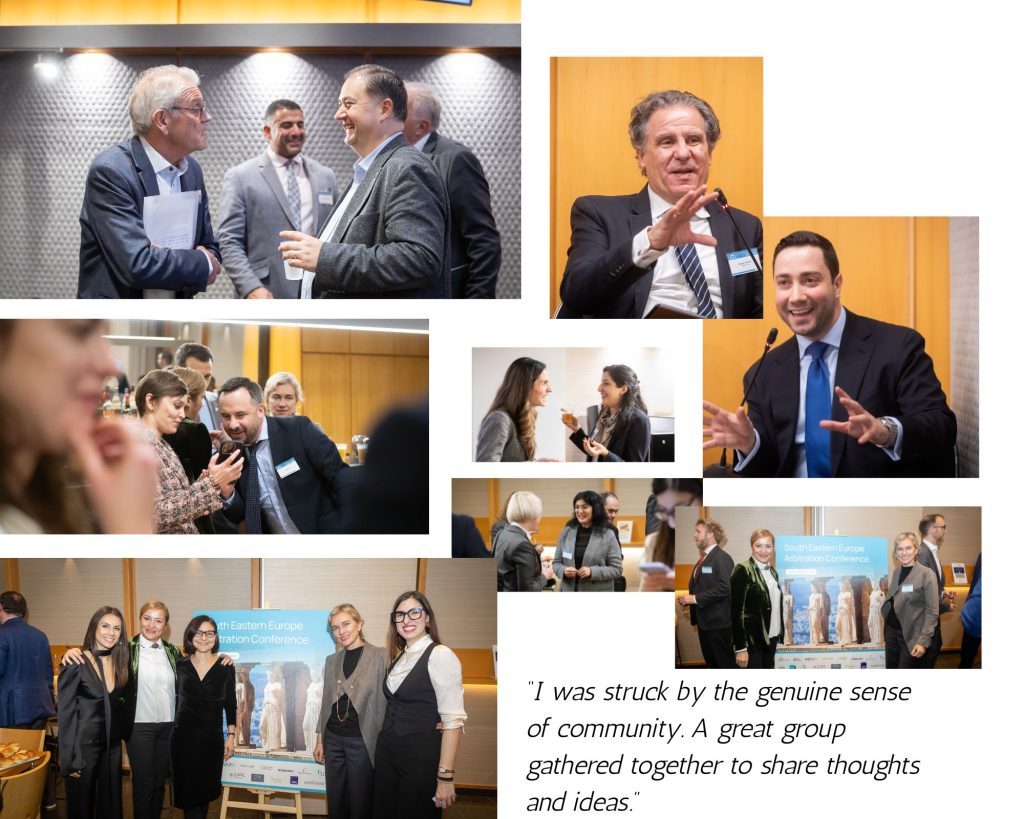
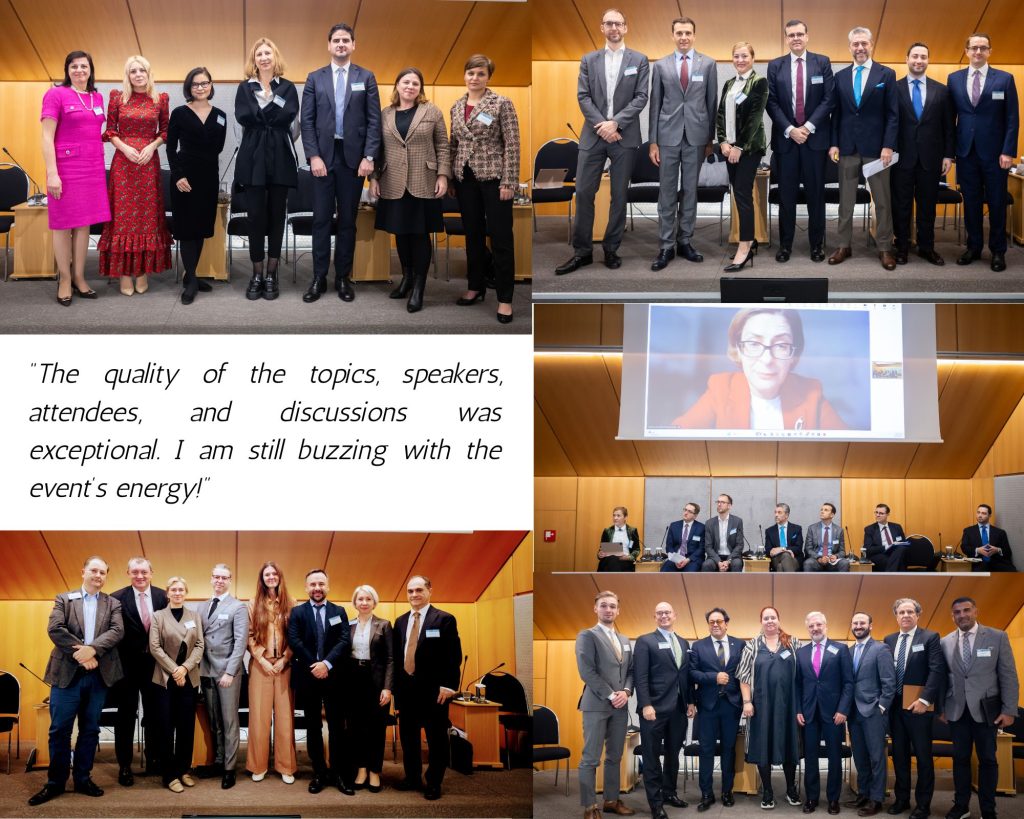
28 November 2025: Boden Law was in Athens at the SEEA Conference
SEEA 2025 was more than a conference.
The most common comment we received was:
“I have never been at such a genuine conference — it felt like home, like family.”
And that captures exactly what we wanted.
We created a platform where the deepest, most open, and genuinely meaningful discussions took place —in a space shaped by generosity, curiosity, and a willingness to learn from one another, where everyone came simply to share, challenge ideas, and add value.
A real community. A real family.
This would not have been possible without our tireless and dedicated Organizing Committee Tatiana Minaeva FCIArb, Ileana Smeureanu, Asli Saracoglu Uzunoglu, Martina Howard, Nenad Stankovic, and Stevan Dimitrijevic, and the invaluable support of EODID Athens Mediation & Arbitration Organization, and our wonderful host this year, Dr. Haris Meidanis.
A heartfelt thank you to all our supporters, speakers, and participants. Your energy, generosity, and sincerity made this year truly unforgettable.
We are now a big family, and we are growing into something even more meaningful — a regional think tank, a home where thought-provoking ideas are nurtured and where the arbitration community of South Eastern Europe can continue to flourish.
Thank you all for being part of this journey. Onwards and upwards. 💙
 by B. Aslı Saraçoğlu Uzunoğlu
Boden Law contributes to GAR Know-How 2025 on Investment Treaty Arbitration in Turkey!
Boden Law is proud to announce our contribution to Global Arbitration Review Know-How 2025, focusing on Investment Treaty Arbitration in Turkey, now live on GAR’s website! ⚡
In this chapter, Değer Boden and Yaren Yağdereli from Boden Law present a comprehensive, practice-focused analysis of Turkey’s investment treaty arbitration landscape, with special emphasis on the most recent legal and regulatory developments.
 by B. Aslı Saraçoğlu Uzunoğlu
23 September 2025: Boden Law’s Contribution to Lexology’s Electricity Regulation 2026 is now live!
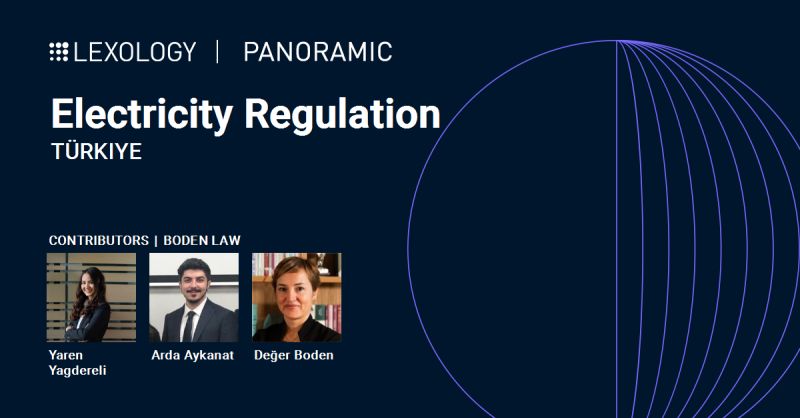
Boden Law is proud to announce our contribution to Lexology‘s Panoramic: Electricity Regulation 2026 is now live!
As contributors, Değer Boden, Güler Yaren Yağdereli, and Orhan Arda Aykanat from Boden Law provide a comprehensive analysis of Turkey’s electricity regulation landscape. This guide dives deep into the evolving regulatory framework, with particular emphasis on the latest developments in climate change, sustainability, alternative energy sources, aggregation and RERA tenders.
The report covers key aspects such as power generation, transmission, distribution, public service obligations, and the role of competition law. We also explore the legal and policy trends that will shape the future of Turkey’s energy market, ensuring stakeholders are well-equipped to navigate the shifting regulatory environment.
 by B. Aslı Saraçoğlu Uzunoğlu
21 July 2025: Climate Law Enacted!
The Climate Law numbered 7552 has been enacted and published in the Official Gazette dated 9 July 2025 and numbered 32951. This law is Turkey’s first comprehensive climate legislation. The law aims to fight climate change, support green growth, and ensure that net zero emissions goals are met.
Our brief report on the law can be found at the link below. For more information, you can contact us at info@boden-law.com.
Click here for our report.
by B. Aslı Saraçoğlu Uzunoğlu4 June 2025: Değer Boden Appointed as Arbitrator at DIAC!
We are proud to share that our Founding Partner, Değer Boden, has been appointed to the List of Arbitrators at the Dubai International Arbitration Centre (DIAC).
DIAC stands as the leading arbitration institution in the Middle East, offering a trusted platform for resolving commercial disputes outside of national courts. With a diverse and highly regarded panel of arbitrators from around the world, DIAC plays a critical role in advancing international arbitration in the region.
This prestigious appointment is a testament to Değer’s outstanding track record and continued contribution to the field of arbitration. We warmly congratulate her on this well-deserved recognition.